

What is the difference between gas - spring and fixed monitor stands?
Oct 08, 2025
When it comes to enhancing your workspace ergonomics and optimizing your viewing experience, choosing the right monitor stand is crucial. As a trusted monitor stands supplier, we understand the importance of this decision and are here to shed light on the differences between gas-spring and fixed monitor stands. In this blog post, we'll explore the features, benefits, and drawbacks of each type to help you make an informed choice for your needs.
Gas-Spring Monitor Stands
Gas-spring monitor stands are a popular choice for those seeking flexibility and adjustability in their workspace. These stands utilize a gas-filled cylinder to provide smooth and effortless movement, allowing you to easily adjust the height, tilt, swivel, and rotation of your monitor. Here are some key features and benefits of gas-spring monitor stands:
1. Adjustability
One of the primary advantages of gas-spring monitor stands is their superior adjustability. You can effortlessly raise or lower the monitor to eye level, reducing neck and eye strain. The ability to tilt the screen forward or backward also helps to optimize the viewing angle, ensuring a comfortable and ergonomic setup. Additionally, most gas-spring stands allow for 360-degree swivel and rotation, enabling you to share your screen with colleagues or switch between portrait and landscape modes.
2. Smooth Movement
The gas-spring mechanism provides a smooth and controlled movement, making it easy to position your monitor precisely where you want it. Unlike fixed stands, which may require manual adjustment or tools, gas-spring stands can be adjusted with a simple touch or push. This makes them ideal for frequent adjustments throughout the day, such as when you need to change your viewing angle or share your screen.
3. Weight Capacity
Gas-spring monitor stands are designed to support a wide range of monitor sizes and weights. Most models can accommodate monitors up to 32 inches or more, with weight capacities ranging from 10 to 30 pounds or higher. This makes them suitable for both small and large monitors, as well as multiple monitor setups.
4. Space Saving
By elevating your monitor off the desk, gas-spring stands help to free up valuable desk space. This can be especially beneficial in small or crowded workspaces, where every inch of space counts. Additionally, some gas-spring stands feature a slim and compact design, further minimizing their footprint on your desk.
However, gas-spring monitor stands also have some drawbacks. They tend to be more expensive than fixed stands, and the gas-spring mechanism may require occasional maintenance or replacement over time. Additionally, the adjustable nature of these stands may make them less stable than fixed stands, especially if they are not properly installed or adjusted.
Fixed Monitor Stands
Fixed monitor stands, as the name suggests, are designed to hold your monitor in a fixed position. They typically consist of a base and a vertical arm or pole that supports the monitor. While they may not offer the same level of adjustability as gas-spring stands, fixed stands have their own unique advantages. Here are some key features and benefits of fixed monitor stands:
1. Stability
One of the main advantages of fixed monitor stands is their stability. Since they are designed to hold the monitor in a fixed position, they are less likely to wobble or shake, even when you are typing or moving your mouse. This can be especially important for tasks that require precise movements or a steady viewing angle, such as graphic design or video editing.
2. Affordability
Fixed monitor stands are generally more affordable than gas-spring stands. They are a great option for those on a budget or for those who do not require frequent adjustments to their monitor position. Additionally, since they do not have a gas-spring mechanism, they are less likely to require maintenance or replacement over time.
3. Simple Design
Fixed monitor stands have a simple and straightforward design, making them easy to install and use. They typically do not require any tools or complicated assembly, and they can be easily mounted to your desk or wall. This makes them a convenient option for those who want to set up their monitor quickly and easily.
However, fixed monitor stands also have some limitations. They offer limited adjustability, which means you may not be able to optimize the viewing angle or position of your monitor to suit your needs. Additionally, since they are fixed in place, they may not be suitable for tasks that require frequent changes in monitor position, such as sharing your screen with colleagues or switching between portrait and landscape modes.
Which Type of Monitor Stand is Right for You?
The choice between a gas-spring and a fixed monitor stand ultimately depends on your individual needs and preferences. Here are some factors to consider when making your decision:
1. Adjustability Requirements
If you need to frequently adjust the height, tilt, swivel, or rotation of your monitor, a gas-spring stand is the better choice. It offers superior adjustability and smooth movement, allowing you to easily position your monitor for optimal comfort and viewing. On the other hand, if you do not require frequent adjustments and prefer a more stable and fixed position, a fixed stand may be sufficient.
2. Budget
Gas-spring monitor stands tend to be more expensive than fixed stands. If you are on a tight budget, a fixed stand may be a more affordable option. However, keep in mind that investing in a high-quality gas-spring stand can provide long-term benefits in terms of comfort and productivity.
3. Workspace Size
If you have a small or crowded workspace, a gas-spring stand can help to free up valuable desk space by elevating your monitor off the desk. Its adjustable nature also allows you to position the monitor in a way that maximizes the available space. On the other hand, if you have a large workspace and do not need to worry about space constraints, a fixed stand may be a suitable choice.
4. Monitor Size and Weight
Consider the size and weight of your monitor when choosing a stand. Gas-spring stands generally have a higher weight capacity and can accommodate larger monitors, making them suitable for a wider range of monitor sizes. Fixed stands may have more limited weight capacities and may be better suited for smaller monitors.
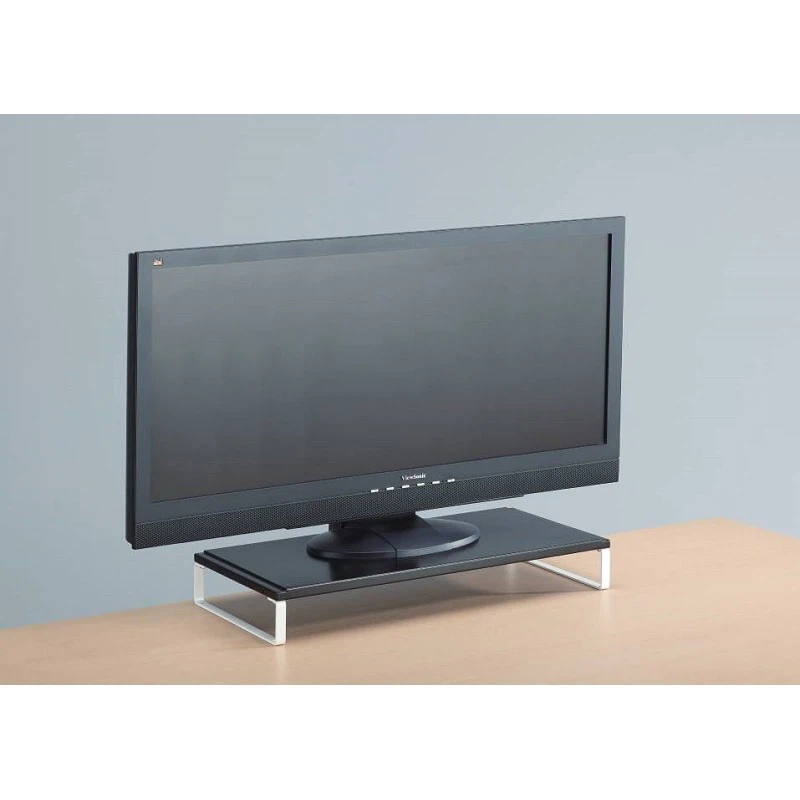

Our Monitor Stand Offerings
As a monitor stands supplier, we offer a wide range of gas-spring and fixed monitor stands to meet your needs. Our Monitor Glass Stand combines the elegance of glass with the functionality of a monitor stand, providing a stylish and modern addition to your workspace. Our Metal Monitor Stand is a durable and sturdy option, perfect for heavy-duty use. And our Best Monitor Desk Stand offers a combination of adjustability and stability, making it an ideal choice for most users.
Contact Us for Procurement
If you're interested in learning more about our monitor stands or would like to discuss your specific requirements, we'd love to hear from you. Our team of experts is available to answer your questions and help you choose the right monitor stand for your needs. Whether you're a small business owner, a home office user, or a large corporation, we can provide you with high-quality monitor stands at competitive prices. Contact us today to start the procurement process and enhance your workspace ergonomics.
References
- Ergonomics in the Workplace: A Guide to Setting Up Your Monitor, Occupational Safety and Health Administration (OSHA)
- Choosing the Right Monitor Stand, Ergonomics Plus
- Monitor Stand Buying Guide, PCMag