

How do I date an antique suit valet based on its style?
Oct 09, 2025
Dating an antique suit valet based on its style is a fascinating journey that combines historical knowledge, aesthetic appreciation, and a keen eye for detail. As a supplier of antique suit valets, I've had the privilege of working with these timeless pieces and uncovering their stories. In this blog post, I'll share some insights on how to date an antique suit valet based on its style, which can be a valuable skill for collectors, enthusiasts, and potential buyers.
Understanding the Evolution of Suit Valet Styles
To date an antique suit valet, it's essential to understand the different styles that have emerged over time. Each era had its unique design elements, materials, and construction techniques, which can provide clues about the valet's age.
Victorian Era (1837 - 1901)
The Victorian era was a time of opulence and grandeur, and this is reflected in the design of suit valets from this period. Victorian valets were often made of high - quality woods such as mahogany, walnut, or oak, and were intricately carved with detailed motifs. They typically featured ornate finials, turned legs, and elaborate moldings. Many Victorian valets also had multiple hooks, shelves, and drawers for storing clothes, accessories, and personal items.
One of the hallmarks of Victorian suit valets is the use of decorative inlays. These inlays could be made of different woods, veneers, or even mother - of - pearl, and were used to create geometric patterns or floral designs on the surface of the valet. For example, a Victorian valet might have a herringbone pattern inlay on the front panel or a floral bouquet inlay on the top shelf.
Edwardian Era (1901 - 1910)
The Edwardian era followed the Victorian era and was characterized by a more refined and elegant style. Edwardian suit valets still used high - quality woods, but the designs were less ornate than their Victorian counterparts. The focus was on clean lines, smooth surfaces, and subtle details.
Edwardian valets often had simpler moldings and fewer carved elements. However, they still maintained a sense of sophistication through the use of high - quality materials and fine craftsmanship. For instance, an Edwardian valet might have a polished finish on the wood, with a few discreet brass accents for added elegance. The number of hooks and storage compartments was also more streamlined compared to Victorian valets, reflecting a more minimalist approach to organization.
Art Deco Era (1920s - 1930s)
The Art Deco movement brought a bold and modern aesthetic to suit valet design. Art Deco valets were characterized by geometric shapes, bold colors, and the use of new materials such as chrome, glass, and Bakelite.
These valets often had a sleek and angular appearance, with straight lines and sharp edges. The use of chrome plating was common, adding a touch of luxury and modernity. Art Deco valets might also feature glass shelves or panels, which not only added a contemporary look but also allowed for easy visibility of stored items. Some Art Deco valets had unique shapes, such as triangular or trapezoidal forms, which were a departure from the more traditional rectangular designs.
Mid - Century Modern Era (1940s - 1960s)
The Mid - Century Modern era was all about functionality and simplicity. Mid - Century Modern suit valets were designed with clean, minimalist lines and a focus on using natural materials. Woods such as teak, oak, and walnut were popular, and the valets often had a light, airy feel.
These valets typically had fewer storage compartments and a more open design. The hooks were often simple and straight, and the overall structure was more streamlined. Mid - Century Modern valets also embraced the use of new manufacturing techniques, which allowed for more efficient production and a more affordable price point.
Identifying Style Clues in Antique Suit Valets
When dating an antique suit valet, it's important to look for specific style clues that can help you determine its era. Here are some key elements to consider:
Wood Type and Finish
The type of wood used in a suit valet can provide valuable information about its age. As mentioned earlier, different eras favored different woods. For example, Victorian and Edwardian valets were often made of mahogany, walnut, or oak, while Mid - Century Modern valets commonly used teak and other lighter woods.

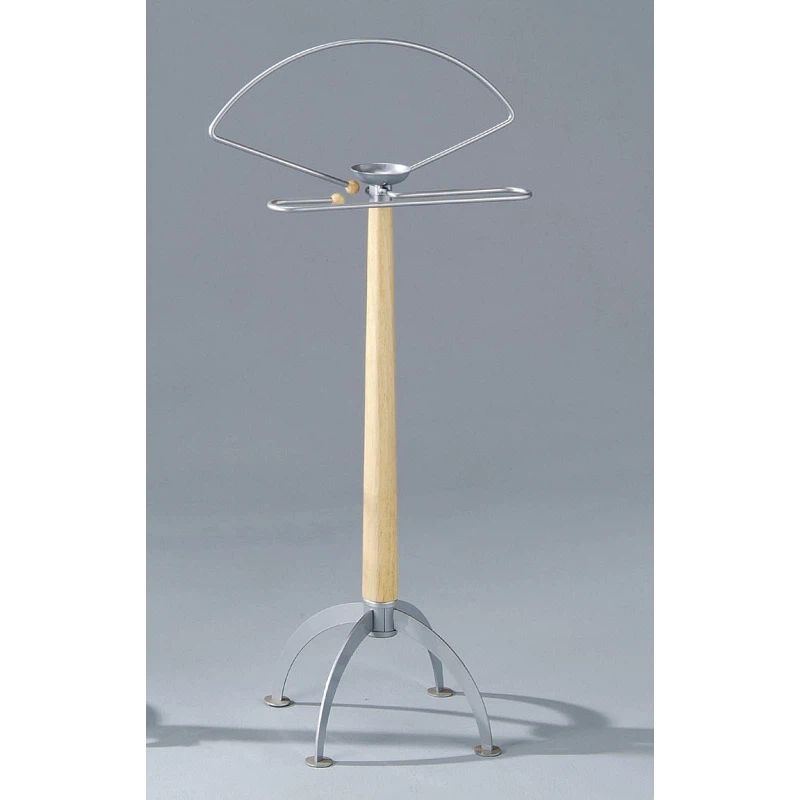
The finish on the wood can also be a clue. Older valets may have a patina, which is a natural aging process that gives the wood a warm, rich color. A well - maintained antique valet might have a wax or oil finish, which was commonly used in the past to protect the wood and enhance its appearance.
Hardware
The hardware on an antique suit valet, such as hooks, knobs, and hinges, can also reveal its age. Victorian and Edwardian valets often had brass hardware, which was highly polished and intricately designed. The hooks might be shaped like swans, lions' heads, or other decorative forms.
In contrast, Art Deco valets used chrome or nickel - plated hardware, which was more in line with the modern aesthetic of the era. Mid - Century Modern valets often had simple, functional hardware made of metal or plastic, with a focus on durability and ease of use.
Design Details
Pay attention to the overall design details of the valet. Look for elements such as the shape of the legs, the style of the shelves, and the arrangement of the hooks. For example, Victorian valets typically had turned legs with elaborate finials, while Mid - Century Modern valets had straight, simple legs.
The number and placement of hooks can also vary by era. Victorian and Edwardian valets often had a large number of hooks, arranged in a symmetrical pattern, to accommodate a full wardrobe. Art Deco and Mid - Century Modern valets might have fewer hooks, but they were strategically placed for maximum functionality.
Using Style to Determine Value
Dating an antique suit valet based on its style can also help you determine its value. Generally, older and rarer styles are more valuable than more common or recent ones. For example, a well - preserved Victorian suit valet with intricate carvings and inlays will likely be worth more than a mass - produced Mid - Century Modern valet.
However, value is also influenced by factors such as condition, provenance, and market demand. A suit valet that has been restored to its original condition or has a documented history of ownership can command a higher price. Additionally, if there is a high demand for a particular style in the current market, the value of the valet will increase.
Our Collection of Antique Suit Valets
As a supplier of antique suit valets, we have a diverse collection that spans different eras and styles. Whether you're looking for a classic Victorian valet to add a touch of old - world charm to your home or a sleek Art Deco valet for a modern and stylish look, we have something to suit your taste.
We offer a range of Freestanding Valet Stand that are not only functional but also beautiful pieces of furniture. Our Luxury Valet Stand are crafted with the highest quality materials and attention to detail, making them perfect for those who appreciate luxury and elegance. And if you're looking for a more contemporary option, our Modern Industrial Coat Rack combines the functionality of a suit valet with the industrial aesthetic of the modern era.
Contact Us for Purchase and洽谈
If you're interested in purchasing an antique suit valet or have any questions about our collection, we'd love to hear from you. Our team of experts can provide you with more information about the styles, ages, and values of our suit valets. We can also assist you in finding the perfect valet to meet your specific needs and preferences.
References
- Fennimore, J. T. (1979). American Furniture: Styles and Techniques. Bonanza Books.
- Harris, J. (2003). The Furniture Bible: A Complete Guide to Furniture Styles, Periods, and Techniques. Ryland, Peters & Small.
- Miller, C. C. (2012). Mid - Century Modern: Furniture, Interiors, and the American Dream. W. W. Norton & Company.