

Do iron nesting tables have a smooth edge?
May 14, 2025
Do iron nesting tables have a smooth edge? This is a question that often comes up when customers are considering purchasing these stylish and functional pieces of furniture. As a supplier of Iron Nesting Tables, I am here to provide you with a comprehensive answer based on my industry knowledge and experience.
The Manufacturing Process of Iron Nesting Tables
To understand whether iron nesting tables have a smooth edge, it's essential to look at the manufacturing process. Iron nesting tables are typically made through a series of steps that involve shaping, welding, and finishing the iron material.
The first step is the shaping of the iron. This can be done through processes like forging or casting. Forging involves heating the iron and then using tools to shape it into the desired form. Casting, on the other hand, involves pouring molten iron into a mold. Once the iron is shaped into the basic structure of the nesting tables, the next step is welding. Welding is used to join different parts of the table together, ensuring its stability and durability.
After welding, the tables go through a finishing process. This is where the smoothness of the edges is determined. The finishing process can include sanding, grinding, and polishing. Sanding is used to remove any rough spots or burrs on the iron surface. Grinding is a more aggressive process that can be used to shape the edges and remove larger imperfections. Polishing is the final step, which gives the iron a smooth and shiny appearance.
Factors Affecting the Smoothness of the Edges
Several factors can affect the smoothness of the edges of iron nesting tables. The quality of the iron material used is one of the most important factors. High - quality iron is less likely to have impurities or defects that can cause rough edges. Inferior iron may have inclusions or uneven densities, which can make it more difficult to achieve a smooth finish.
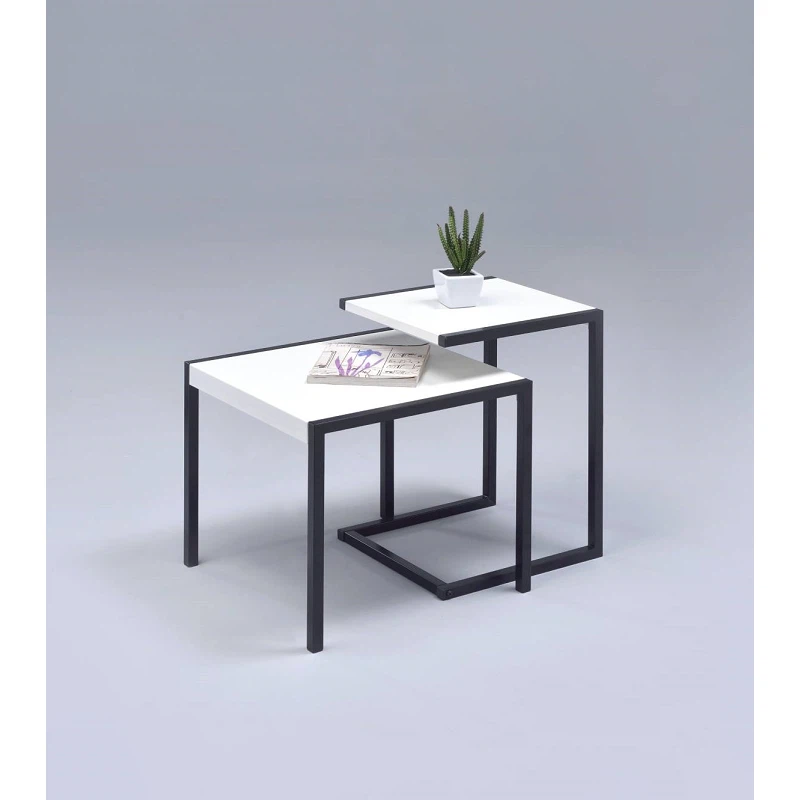
The skill of the craftsmen also plays a crucial role. Experienced craftsmen are more likely to use the right techniques and tools to ensure that the edges are smooth. They know how to control the sanding, grinding, and polishing processes to achieve the desired level of smoothness. For example, they can adjust the pressure and speed of the sanding machine to avoid over - sanding or leaving uneven areas.
The type of finishing process used can also impact the edge smoothness. Some finishing processes may be more effective at achieving a smooth edge than others. For instance, a multi - step polishing process can result in a much smoother edge compared to a single - pass sanding.
Benefits of Smooth Edges
Smooth edges on iron nesting tables offer several benefits. From a safety perspective, smooth edges reduce the risk of cuts and scratches. This is especially important in households with children or elderly people, who may be more prone to accidental bumps and bruises.
In terms of aesthetics, smooth edges give the tables a more refined and elegant look. They enhance the overall visual appeal of the furniture and make it a more attractive addition to any living space. Whether you have a modern, minimalist living room or a traditional, rustic - themed space, iron nesting tables with smooth edges can complement the decor and add a touch of sophistication.
Smooth edges also contribute to the durability of the tables. Rough edges are more likely to chip or break over time, especially if the tables are frequently moved or bumped. By having smooth edges, the tables are better protected against damage, which means they will last longer.
Our Product Line
As a supplier of Iron Nesting Tables, we take great pride in the quality of our products. Our Iron Nesting Tables are crafted using high - quality iron materials and are subjected to a rigorous manufacturing and finishing process. We have a team of skilled craftsmen who pay close attention to every detail, ensuring that each table has a smooth and flawless edge.
In addition to our standard iron nesting tables, we also offer Metal and Wood Nesting Tables. These tables combine the strength and durability of iron with the warmth and natural beauty of wood. The edges of these tables are also carefully finished to provide a smooth and comfortable touch.
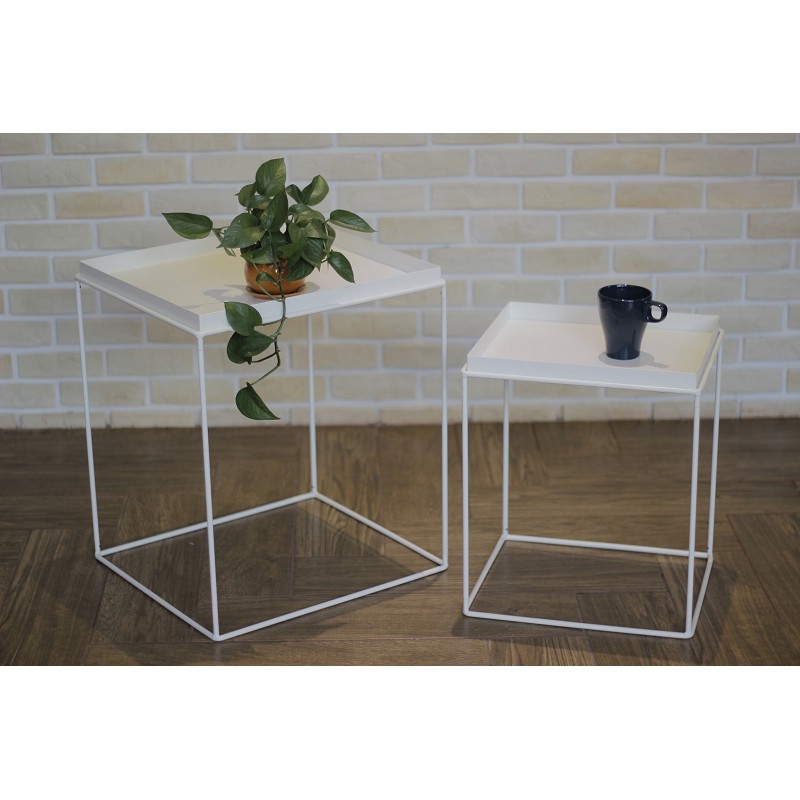
For those looking for a more luxurious option, our Exquisite Nesting Coffee Table is a perfect choice. It features intricate designs and a high - gloss finish, with edges that are polished to perfection.
How to Maintain the Smoothness of the Edges
To keep the edges of your iron nesting tables smooth over time, proper maintenance is required. Avoid using abrasive cleaners or rough sponges when cleaning the tables, as these can scratch the surface and damage the smooth finish. Instead, use a soft, damp cloth and a mild cleaning solution.
If the tables are placed in an area with high humidity, it's important to wipe them dry regularly to prevent rusting. Rust can cause the edges to become rough and pitted. Applying a protective coating, such as a clear wax or paint, can also help to maintain the smoothness and protect the iron from corrosion.
Conclusion
In conclusion, iron nesting tables can have smooth edges when they are manufactured using high - quality materials and proper finishing techniques. At our company, we are committed to providing our customers with iron nesting tables that not only look great but also have smooth and safe edges.
If you are interested in purchasing our iron nesting tables or have any questions about our products, we encourage you to contact us for a procurement discussion. We are happy to provide you with more information, samples, and competitive pricing. Let us help you find the perfect iron nesting tables for your living space.
References
- Furniture Manufacturing Handbook: Covers general manufacturing processes for iron furniture.
- Ironworking Techniques: Details on shaping and finishing iron materials.
- Interior Design Magazine Articles: Insights on the aesthetics and functionality of nesting tables.