

Do I need to anchor a freestanding bookcase to the wall?
Jul 22, 2025
Do I need to anchor a freestanding bookcase to the wall? This is a question that many of our customers, as well as book - lovers and homeowners in general, often ask. As a bookcase supplier, we understand the importance of both functionality and safety when it comes to our products. In this blog, we'll explore the reasons for and against anchoring a freestanding bookcase to the wall, and provide you with the information you need to make an informed decision.
The Case for Anchoring
Safety First
One of the most compelling reasons to anchor a freestanding bookcase is safety, especially if you have children or pets in your home. Unanchored bookcases can tip over easily, especially when a child climbs on them or pulls on the shelves. According to the U.S. Consumer Product Safety Commission (CPSC), tip - over accidents involving furniture and appliances result in thousands of injuries and even fatalities each year. By anchoring your bookcase to the wall, you can significantly reduce the risk of such accidents.
For example, a child might be tempted to use the lower shelves of a bookcase as a climbing structure. Without proper anchoring, the weight distribution of the child on the shelves can cause the bookcase to become unstable and topple forward. This can lead to serious injuries such as head trauma, broken bones, or even more severe consequences.
Stability in Earthquake - Prone Areas
If you live in an area prone to earthquakes, anchoring your bookcase is not just a good idea; it's almost a necessity. During an earthquake, the ground shakes violently, and unsecured furniture can easily be knocked over. A heavy bookcase filled with books can become a dangerous projectile, causing damage to your property and posing a threat to your safety. By anchoring it to the wall, you can help keep the bookcase in place and prevent it from causing harm.
Maintaining the Integrity of the Bookcase
Over time, an unanchored bookcase can become misaligned or damaged due to normal use. For instance, if people frequently lean against the bookcase or pull books out forcefully, the bookcase may start to tilt or wobble. This can lead to the shelves becoming uneven, which may cause books to fall or the structure of the bookcase to weaken. Anchoring the bookcase to the wall helps to keep it in a stable position, ensuring that it remains in good condition for a longer period.
The Case Against Anchoring
Aesthetics and Mobility
Some people are concerned that anchoring a bookcase to the wall will ruin its aesthetic appeal. They may prefer the look of a freestanding piece of furniture that can be easily moved around and re - arranged according to their changing needs. For example, if you like to redecorate your living room frequently, an anchored bookcase can be a hindrance. You won't be able to move it without first removing the anchors, which can be time - consuming and may damage the wall.
Installation Difficulty
Anchoring a bookcase to the wall requires some level of skill and the right tools. You need to find the studs in the wall and then securely attach the bookcase to them. For those who are not handy with tools or who are renting their home, this can be a major deterrent. Additionally, if you make a mistake during the installation process, you could damage the wall or the bookcase itself.
Factors to Consider
Weight and Size of the Bookcase
The weight and size of the bookcase play a crucial role in determining whether it needs to be anchored. A large, heavy bookcase filled with books is more likely to tip over than a small, lightweight one. As a general rule, if your bookcase is taller than 6 feet or if it weighs more than 50 pounds when fully loaded, it's a good idea to anchor it.
Location of the Bookcase
The location of the bookcase also matters. If it's placed in a high - traffic area where it's more likely to be bumped into, or if it's near a play area for children, anchoring is advisable. On the other hand, if the bookcase is in a quiet corner of a room where it's unlikely to be disturbed, you may have more flexibility.
Type of Wall
The type of wall you're anchoring the bookcase to is important. If you have a drywall, you'll need to use the appropriate wall anchors to ensure a secure attachment. In contrast, if you're dealing with a masonry or concrete wall, you'll need different tools and techniques.
Our Recommendations
As a bookcase supplier, we always prioritize safety. We recommend that you anchor your freestanding bookcase, especially if you have children or live in an earthquake - prone area. However, we also understand the concerns about aesthetics and mobility. If you're worried about these issues, you can look for bookcases with built - in stability features, such as a wide base or a low center of gravity.
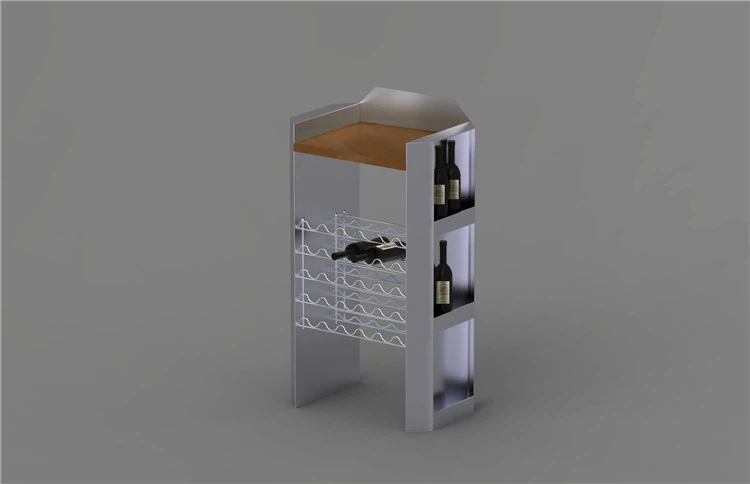
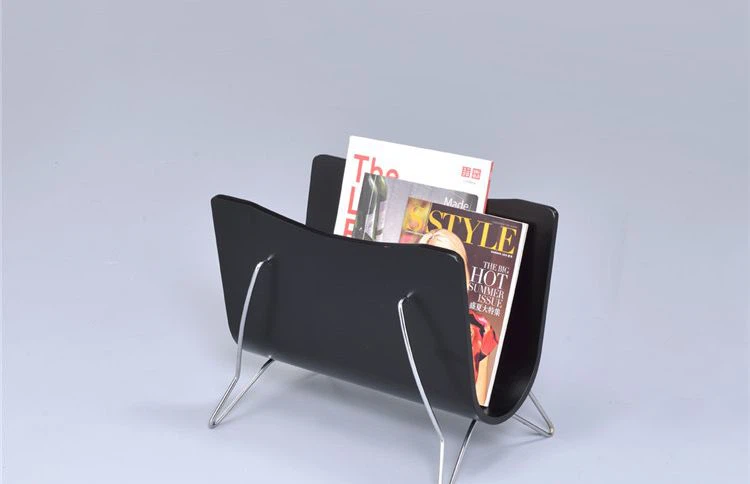
We offer a wide range of bookcases, including Metal Wine Racks, Magazing Rack, and Metal Bookcase. Our products are designed with both style and safety in mind. We can provide you with detailed instructions on how to anchor your bookcase properly, or you can hire a professional to do the job for you.
If you're still unsure whether you need to anchor your bookcase, feel free to contact us. Our team of experts is always ready to help you make the right decision based on your specific situation. We can also assist you in choosing the perfect bookcase for your home. Whether you're looking for a modern, minimalist design or a traditional, ornate piece, we have something to suit your taste.
Conclusion
In conclusion, the decision of whether to anchor a freestanding bookcase to the wall depends on a variety of factors. While safety is a major consideration, aesthetics, mobility, and installation difficulty also play important roles. As a bookcase supplier, we're committed to providing you with high - quality products and the information you need to make an informed choice.
If you're interested in purchasing a bookcase from us or have any questions about our products, please don't hesitate to reach out. We're here to assist you every step of the way, from choosing the right bookcase to ensuring its proper installation. Let's work together to create a safe and stylish environment for your books and your home.
References
- U.S. Consumer Product Safety Commission. (n.d.). Furniture and TV Tip - Over Hazards. Retrieved from the official website of the CPSC.