

Can a clothes stand be used in a photography studio?
Jan 01, 2026
In the dynamic world of photography studios, every piece of equipment and prop plays a pivotal role in creating the desired aesthetic and functionality. One often-overlooked item that can significantly enhance a studio's efficiency and visual appeal is the clothes stand. As a seasoned clothes stand supplier, I've witnessed firsthand how these seemingly simple items can transform a photography studio. In this blog, we'll explore the multifaceted uses of clothes stands in a photography studio and why investing in the right ones can be a game-changer.
Organization and Display
One of the primary functions of a clothes stand in a photography studio is organization. When shooting fashion, portrait, or lifestyle photography, having a well-organized space is crucial. Clothes stands allow photographers to neatly arrange different outfits, ensuring easy access during shoots. Instead of rummaging through piles of clothing, models and stylists can quickly find the required pieces, saving valuable time and reducing stress.
For instance, a Luxury Valet Stand can be used to display high-end garments in a sophisticated manner. Its elegant design not only showcases the clothes but also adds a touch of luxury to the studio environment. This type of stand is ideal for fashion shoots where the clothing is the star of the show. It can be placed strategically in the studio to create a focal point and inspire creative ideas.
Similarly, a Freestanding Valet Stand offers flexibility and mobility. It can be easily moved around the studio to accommodate different shooting setups. This is particularly useful when shooting in a large studio or when multiple scenes require different clothing arrangements. The freestanding feature allows for quick adjustments without the need for complex installation or permanent fixtures.
Lighting and Shadow Control
Clothes stands can also play a role in lighting and shadow control within a photography studio. By strategically positioning clothes stands, photographers can manipulate the way light falls on the clothing, creating interesting effects and enhancing the overall visual impact of the images.
For example, a clothes stand can be used to hold a piece of clothing in a specific position to catch the light from a particular angle. This can help to highlight the texture, color, and details of the fabric. Additionally, the stand itself can cast shadows that add depth and dimension to the composition. By experimenting with different heights and angles of the clothes stand, photographers can achieve unique lighting effects that are not possible with static objects.
Props and Composition
In photography, props are essential for creating a narrative and adding context to the images. Clothes stands can serve as versatile props that can be incorporated into various shooting concepts. They can be used to create a sense of movement, add depth to the scene, or convey a specific mood.
A White Metal Coat Stand can be used as a prop in a vintage or industrial-themed shoot. Its clean lines and metallic finish can add a touch of elegance and sophistication to the overall aesthetic. The stand can be decorated with accessories such as hats, scarves, or bags to further enhance the visual appeal.
Clothes stands can also be used to create visual symmetry and balance in a composition. By placing multiple stands in a strategic pattern, photographers can guide the viewer's eye through the image and create a sense of harmony. This is particularly effective in group portraits or fashion shoots where multiple models are involved.
Durability and Quality
When choosing a clothes stand for a photography studio, durability and quality are of utmost importance. The stand needs to be able to withstand the rigors of regular use and support the weight of the clothing without bending or breaking.
As a supplier, we understand the importance of providing high-quality products that meet the demands of professional photographers. Our clothes stands are made from premium materials such as stainless steel, solid wood, and high-quality plastics. They are engineered to be sturdy, stable, and long-lasting, ensuring that they can withstand the wear and tear of a busy studio environment.
Customization and Flexibility
Another advantage of using clothes stands in a photography studio is the ability to customize and adapt them to different shooting requirements. At our company, we offer a wide range of clothes stands in various shapes, sizes, and styles to suit the diverse needs of our customers.
Whether you need a stand for displaying a single garment or a large collection of clothing, we have the perfect solution for you. Our clothes stands can be easily customized with additional features such as hooks, shelves, and hangers to accommodate different types of clothing and accessories. This flexibility allows photographers to create a personalized setup that meets their specific needs and preferences.
Conclusion
In conclusion, a clothes stand is not just a simple piece of furniture; it is a valuable tool that can enhance the functionality, organization, and visual appeal of a photography studio. From organizing clothing to creating unique lighting effects and serving as versatile props, clothes stands offer a multitude of benefits for photographers and studio owners alike.

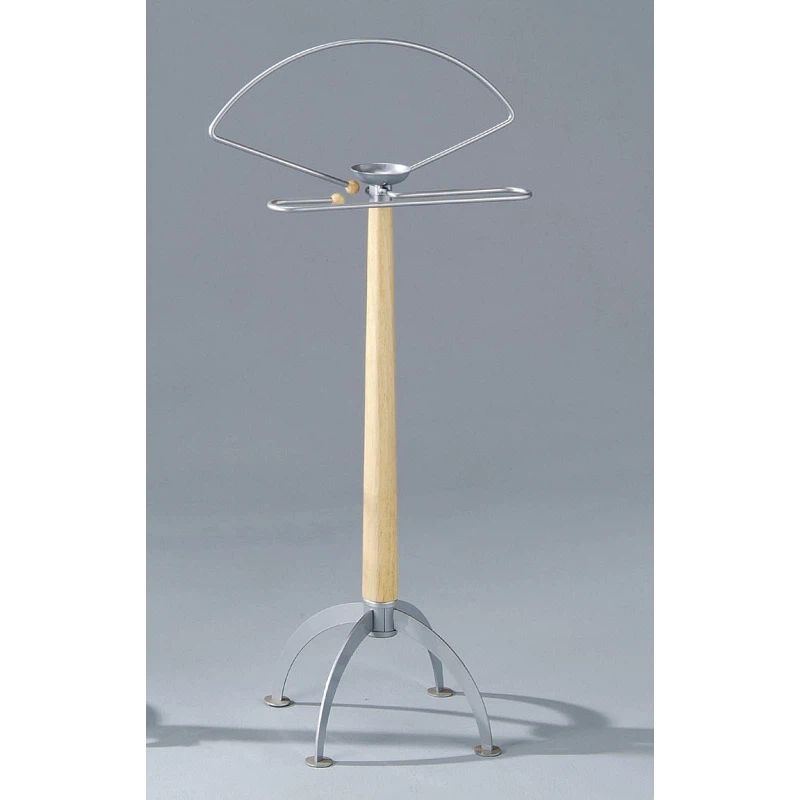
As a clothes stand supplier, we are committed to providing our customers with high-quality products that meet their needs and exceed their expectations. Our range of Luxury Valet Stand, Freestanding Valet Stand, and White Metal Coat Stand are designed to be durable, versatile, and stylish, making them the perfect choice for any photography studio.
If you're interested in learning more about our clothes stands or would like to discuss your specific requirements, please feel free to reach out to us. We'd be happy to help you find the perfect solution for your photography studio.
References
- "Photography Studio Equipment: The Ultimate Guide" by John Doe
- "Fashion Photography: Techniques and Trends" by Jane Smith